
A strategic guide for startups, growing businesses and enterprises building digital products.
A product idea can look promising during a presentation and still fail when it meets real customers. The difference often comes down to how well the product is researched, designed, engineered, tested and improved after launch.
Choosing the right product development company is therefore more than finding developers who can write code. It means finding a technical partner who understands your business model, translates requirements into a workable product strategy, manages engineering risks and helps turn an initial concept into a sustainable digital solution.
For startups, this might mean validating an idea through a minimum viable product (MVP). For established businesses, it could involve modernizing legacy applications, developing a SaaS platform, automating internal operations or launching a new customer-facing application.
This guide explains what product development companies do, how the development process works, what it costs, which engagement model to choose and how to evaluate a development partner across India, the USA, the UK, UAE, Canada, Australia and Europe.
What Is a Product Development Company?
A product development company is a technology partner that helps businesses plan, design, build, test, launch and maintain digital or software products. Its work can include product discovery, UX/UI design, software architecture, application development, integrations, quality assurance, deployment and ongoing improvements.
Unlike a provider that only supplies developers, a full-cycle product development partner can also contribute to product decisions, technical planning, delivery management and long-term scalability.
What does a product development company deliver?
- Product strategy and technical discovery.
- Business requirements and product roadmaps.
- UI/UX design and interactive prototypes.
- MVP and SaaS product development.
- Custom web and mobile applications.
- API development and third-party integrations.
- AI-enabled software and automation.
- Quality assurance and security testing.
- Cloud deployment and infrastructure.
- Maintenance, monitoring and product enhancement.
Expert insight: A product development company should not simply translate a feature list into code. It should help determine whether those features solve the right business problem in the first place.
Product Development Company vs Software Development Company
The terms overlap, but they are not always interchangeable.
| Comparison | Product development company | General software development company |
| Primary focus | Building and evolving a product | Delivering software solutions |
| Business involvement | Often contributes to product strategy | Usually follows defined requirements |
| Discovery | Product research and validation | Requirements gathering |
| Design | User journeys and product experience | Interface and application design |
| Development | Iterative product engineering | Project-based or ongoing development |
| Post-launch | Product roadmap and continuous improvement | Maintenance and support, depending on scope |
| Success measurement | Adoption, retention and product outcomes | Delivery quality, functionality and project objectives |
A software development company can also provide complete product engineering. The distinction is primarily about the scope of responsibility, not the company’s name.
What Does a Product Development Company Do?
A capable product development company coordinates multiple disciplines to move a product from an initial business requirement to a working, maintainable solution.
1. Product Discovery and Strategy
Product discovery determines what should be built, who will use it and why it deserves investment.
Activities typically include:
- Understanding business objectives.
- Identifying target customers and user problems.
- Competitor and market research.
- Defining the product’s core value proposition.
- Prioritizing features.
- Assessing technical feasibility.
- Preparing a product roadmap.
For example, a startup planning a financial management application may initially request budgeting, automated expense tracking, investment recommendations and AI-based financial assistance.
A discovery exercise may reveal that users primarily need reliable expense categorization and budgeting before advanced AI features become valuable.
Starting with the validated requirement can reduce unnecessary development and shorten the path to useful feedback.
Business implication: Product discovery is not an administrative phase. It is an investment decision that determines where development money should go.
2. UI/UX Design and Prototyping
The product experience influences whether users understand and continue using the application.
A product design team typically works on:
- User research and personas.
- Information architecture.
- User journeys and workflows.
- Wireframes.
- Interactive prototypes.
- Design systems.
- Responsive interfaces.
- Accessibility considerations.
A clickable prototype can help founders test navigation and workflows before committing to a complete engineering build.
Explore our custom software development services for software solutions designed around business requirements.
3. Software Architecture and Technology Planning
Architecture decisions determine how the product handles users, data, integrations, security and future growth.
Common considerations include:
- Frontend and backend architecture.
- Database selection.
- API design.
- Authentication and authorization.
- Cloud infrastructure.
- Integration requirements.
- Data storage and backup.
- Performance and scalability.
- Security controls.
A startup with a limited initial user base may not need a complex microservices architecture. A modular monolith may be more practical, provided the design supports future changes.
Expert insight: The best architecture is not necessarily the most sophisticated one. It is the simplest architecture that meets current requirements without creating unreasonable future constraints.
4. Product Engineering and Development
The engineering team converts approved designs and technical specifications into working software.
Depending on the product, this may include:
- Frontend application development.
- Backend engineering.
- Database development.
- Mobile application development.
- API and third-party integrations.
- AI and machine learning integration.
- Payment gateway integration.
- Admin dashboards.
- Business workflow automation.
Development is generally organized into manageable iterations, allowing stakeholders to review working functionality and adjust priorities.
5. Quality Assurance and Testing
Testing should take place throughout development, not only before launch.
A product development company may perform:
| Testing type | Purpose |
| Unit testing | Checks individual functions and components |
| Integration testing | Verifies interactions between systems |
| Functional testing | Confirms that features work as expected |
| UI testing | Evaluates interface behavior |
| Performance testing | Identifies response-time and capacity issues |
| Security testing | Identifies vulnerabilities and weaknesses |
| Regression testing | Checks whether new changes break existing features |
| User acceptance testing | Confirms the product meets business expectations |
For web application security, teams can use the OWASP Application Security Verification Standard as a structured reference for security requirements and verification.
6. Deployment and Launch
Deployment makes the product available to its intended users.
Activities may include:
- Production environment configuration.
- Database migration.
- Domain and SSL configuration.
- CI/CD pipeline setup.
- Application monitoring.
- Backup and recovery planning.
- Release validation.
- User onboarding.
A successful launch also requires an operational plan for incidents, customer feedback and product updates.
7. Maintenance and Continuous Product Improvement
Software products require ongoing attention after release.
Post-launch activities can include:
- Bug fixes.
- Security patches.
- Performance optimization.
- Infrastructure monitoring.
- Feature enhancements.
- Third-party API updates.
- Database maintenance.
- Product analytics.
- Technical debt management.
A product should be evaluated against actual user behavior rather than assuming that every feature originally planned will remain equally valuable.
Product Development Lifecycle: From Idea to Market-Ready Product
A structured product development lifecycle provides a repeatable way to move from business requirements to a working digital product.
| Stage | Main activity | Expected deliverable |
| 1. Discovery | Research and requirement analysis | Product brief |
| 2. Validation | User feedback and feasibility assessment | Validated concept |
| 3. Planning | Scope, priorities and roadmap | Product roadmap |
| 4. Design | UX/UI and prototyping | Approved prototype |
| 5. Architecture | Technical planning | Architecture documentation |
| 6. Development | Engineering and integrations | Working software |
| 7. Testing | QA and security verification | Tested release |
| 8. Deployment | Production launch | Live product |
| 9. Optimization | Monitoring and improvements | Updated roadmap |
How Long Does Product Development Take?
The timeline depends on functionality, integrations, design complexity, team size and technical risk.
Indicative planning ranges:
| Product type | Illustrative timeline |
| Simple proof of concept | 2–6 weeks |
| Focused MVP | 6–16 weeks |
| Mid-complexity SaaS application | 3–8 months |
| Enterprise application | 6–18+ months |
| Complex multi-platform product | 9–18+ months |
These are planning estimates, not delivery guarantees. A product involving financial integrations, sensitive healthcare data, complex permissions or legacy system migration may require substantially more time.
Strategic recommendation: Agree on measurable release milestones rather than accepting a single launch date before the scope and technical risks are understood.
Types of Product Development Companies
Not every product development company offers the same capabilities. The right partner depends on the product category, technical requirements and business objectives.
1. Software Product Development Company
A software product development company specializes in creating applications and platforms that solve specific user or business problems.
Examples include:
- Enterprise management platforms.
- Customer relationship management systems.
- Financial applications.
- Business automation software.
- Collaboration tools.
- Industry-specific applications.
2. SaaS Product Development Company
A SaaS product development company builds cloud-based software delivered through subscriptions or other recurring commercial models.
Typical capabilities include:
- Multi-tenant architecture.
- Subscription management.
- User and role management.
- Billing integrations.
- Cloud infrastructure.
- Analytics dashboards.
- API integrations.
- Data isolation and security.
Explore our SaaS development company guide for additional considerations.
3. Digital Product Development Company
A digital product development company focuses on applications and digital experiences that customers or employees interact with.
Examples include:
- Web applications.
- Mobile applications.
- Digital marketplaces.
- Customer portals.
- E-learning platforms.
- Booking systems.
4. AI Product Development Company
An AI product development company integrates artificial intelligence into software products to support intelligent workflows and data-driven features.
Examples include:
- AI chatbots.
- Recommendation engines.
- Predictive analytics.
- AI-powered CRM systems.
- Intelligent document processing.
- AI workflow automation.
- AI agents and copilots.
AI should solve a clearly defined problem. Adding a chatbot to an application does not automatically make the product more useful.
Read more about artificial intelligence and its business applications.
5. Custom Product Development Company
A custom product development company builds solutions around specific business workflows instead of forcing organizations to adapt to generic software.
This model is useful when:
- Existing software cannot support critical workflows.
- Multiple systems need to work together.
- The product requires specialized business logic.
- Data ownership and control are important.
- The company intends to commercialize its own software.
Comparison of Product Development Company Types
| Type | Primary focus | Best suited for |
| Software product development | Application engineering | Businesses building software products |
| SaaS product development | Subscription-based platforms | SaaS founders and software businesses |
| Digital product development | Digital experiences | Customer-facing digital businesses |
| AI product development | Intelligent applications | AI-enabled business products |
| Custom product development | Specialized software | Organizations with unique requirements |
| IoT product development | Connected hardware and software | Industrial and connected-device businesses |
What Services Should You Expect from a Product Development Company?
The service portfolio should cover the stages relevant to your product rather than simply presenting a long list of technologies.
| Service | Business value |
| Product consulting | Reduces uncertainty before investment |
| MVP development | Tests demand with an initial product |
| Custom software development | Supports specialized workflows |
| Web application development | Provides browser-based product experiences |
| Mobile app development | Reaches iOS and Android users |
| SaaS development | Supports recurring software delivery |
| API development | Connects applications and services |
| AI development | Automates or enhances selected workflows |
| Cloud engineering | Supports infrastructure and availability |
| Software testing | Improves reliability and release quality |
| Product maintenance | Supports long-term product operations |
For businesses that need specialist engineering capacity rather than an entire outsourced project, dedicated development teams can be another suitable option.
Which Industries Benefit from Product Development?
Digital product development is relevant across industries, but the technical requirements vary significantly.
FinTech
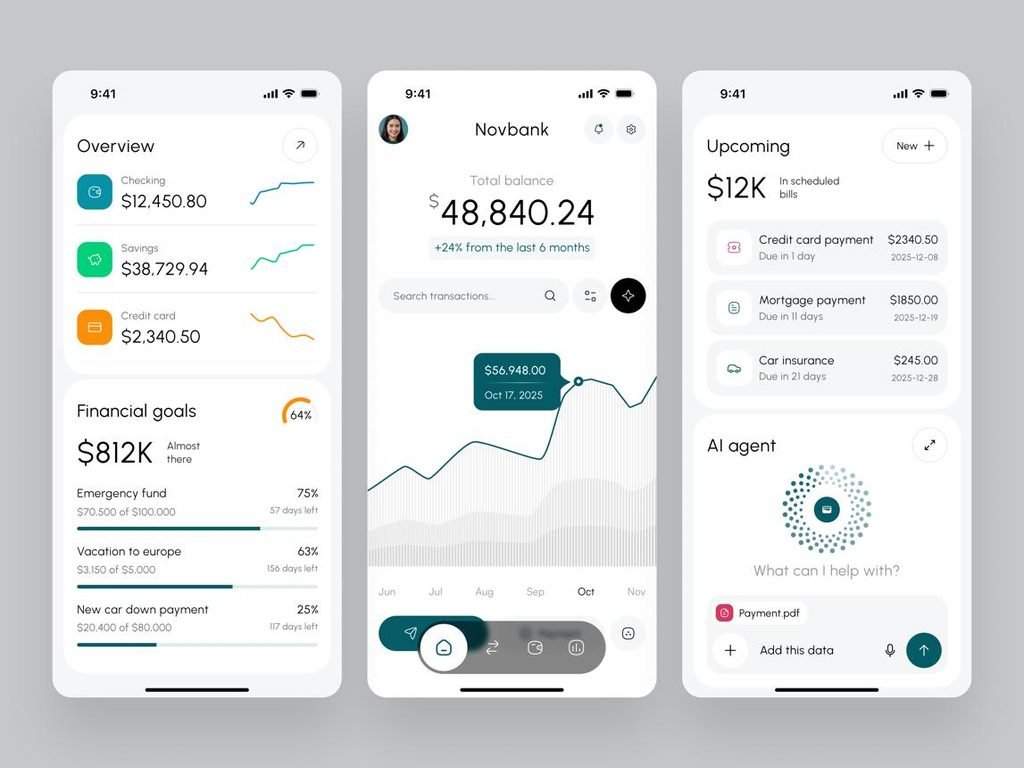
Digital banking, payment platforms, lending systems, investment applications and financial management products. Security, transaction integrity and regulatory requirements need early attention.
Related: FinTech software development.
Healthcare
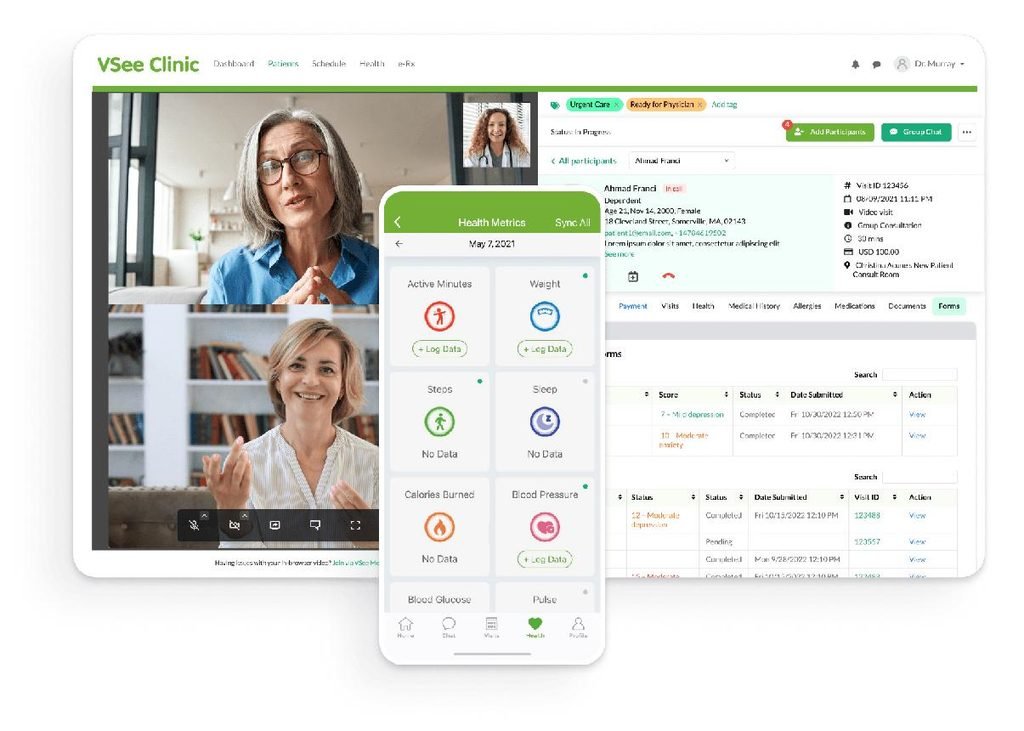
Telemedicine, patient management, appointment scheduling and electronic health records. Privacy, access control and applicable healthcare regulations influence architecture.
Related: Healthcare software development.
E-Commerce and Retail
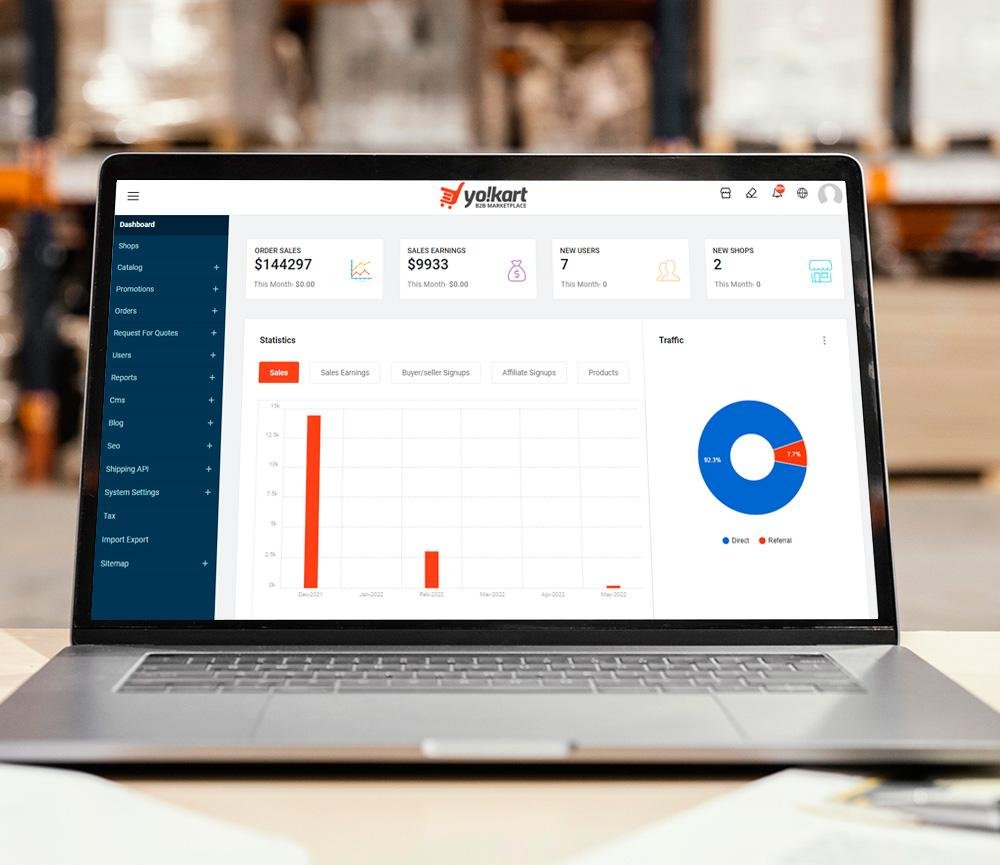
Online stores, multi-vendor marketplaces, inventory management, order tracking and personalized shopping experiences.
Related: E-commerce development services.
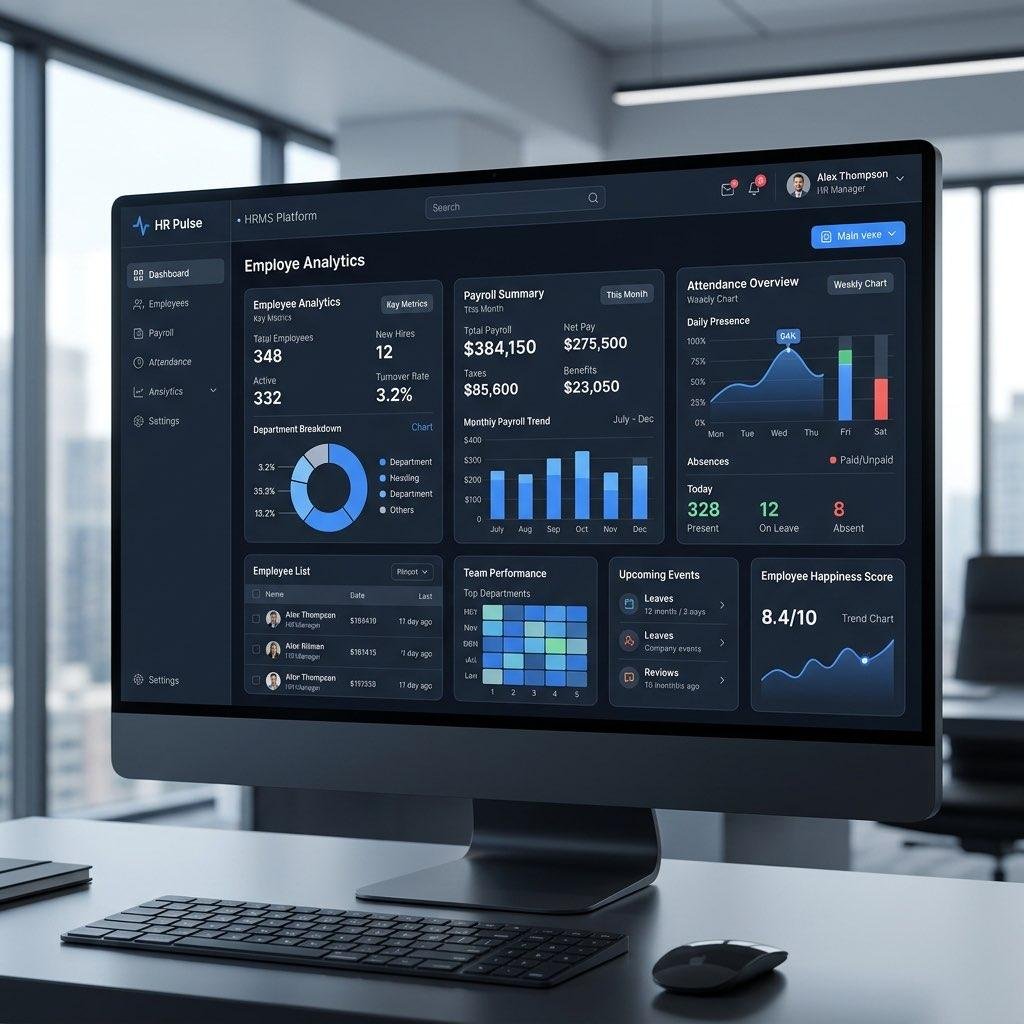
Human Resources and HRTech
HRMS, recruitment platforms, applicant tracking systems, payroll management, employee self-service and workforce analytics.
Related: HRMS software.
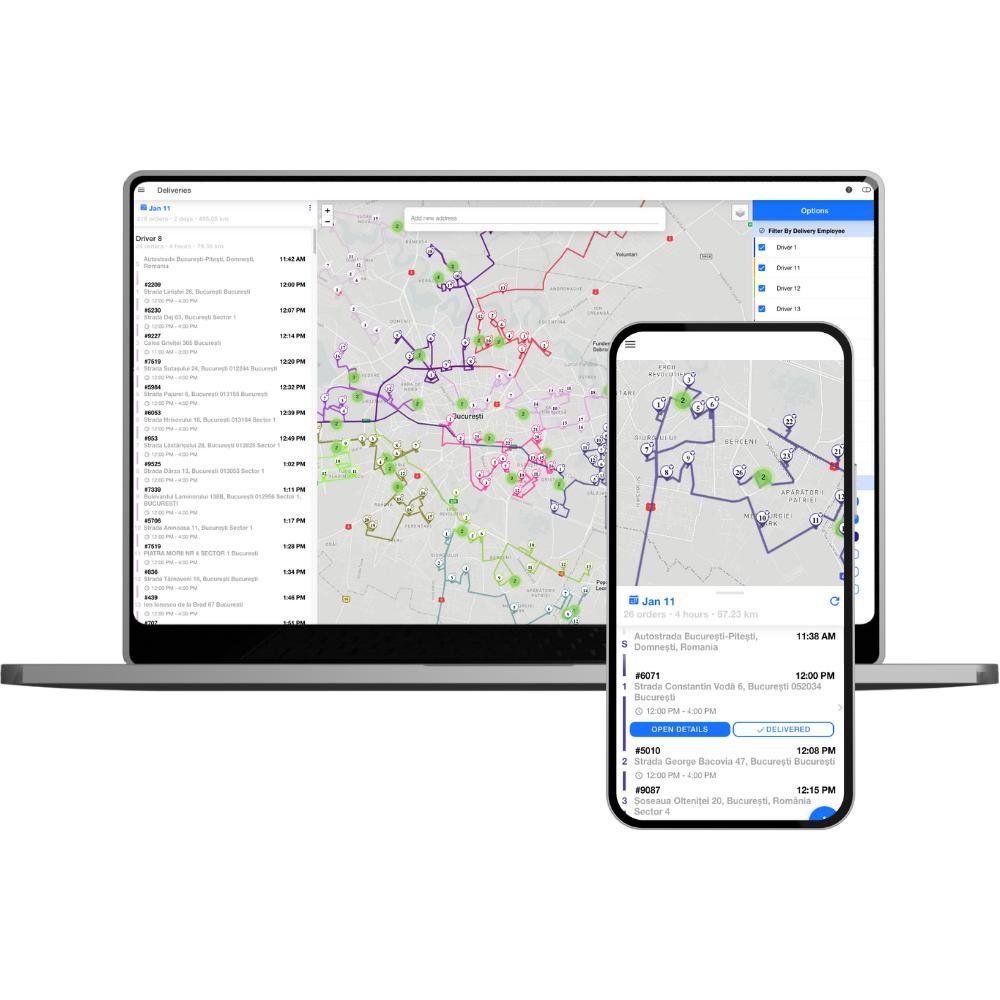
Logistics and Transportation
Fleet management, shipment tracking, route optimization, warehouse systems and delivery applications.
Related: Logistics software development.
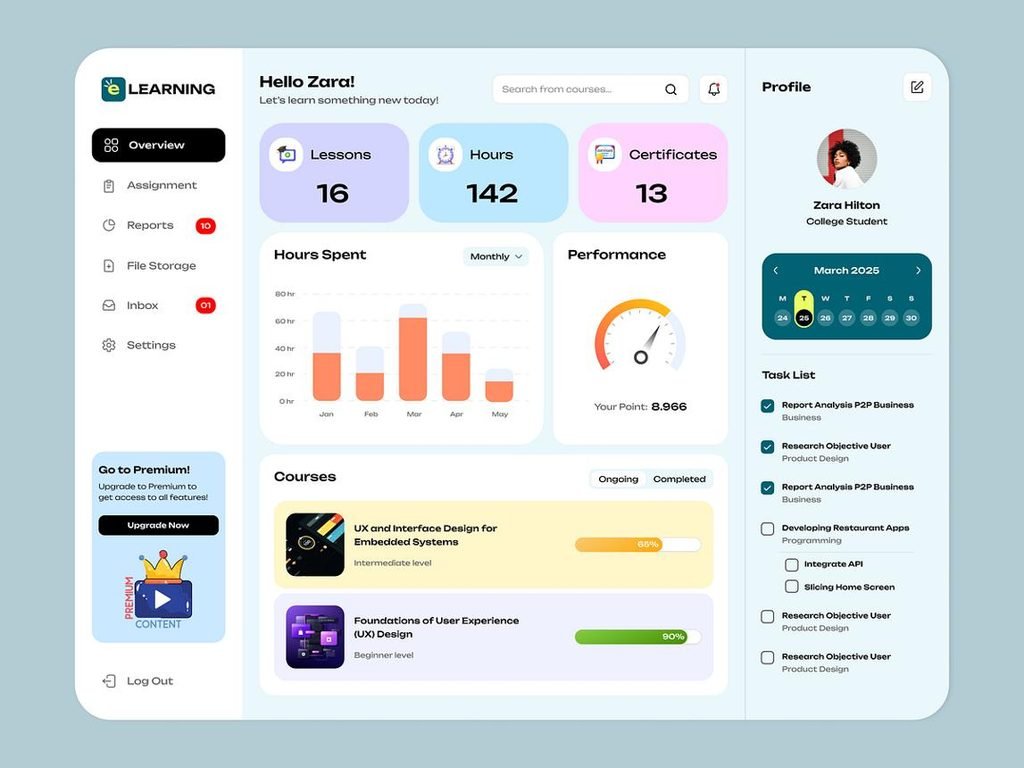
Education and EdTech
Learning management systems, virtual classrooms, assessment platforms, student portals and educational mobile applications.
Related: EdTech software development.
An Industry-Specific Consideration
A healthcare application and a retail application may use similar frontend frameworks, databases and cloud platforms. Their risk profiles are very different.
The healthcare product may require detailed audit trails, strict access controls and healthcare-specific compliance. The retail product may prioritize inventory synchronization, checkout reliability and peak-season traffic.
The technology stack does not determine product quality on its own. The way it is applied to the industry’s operational requirements matters more.
Technology Stack Used by Product Development Companies
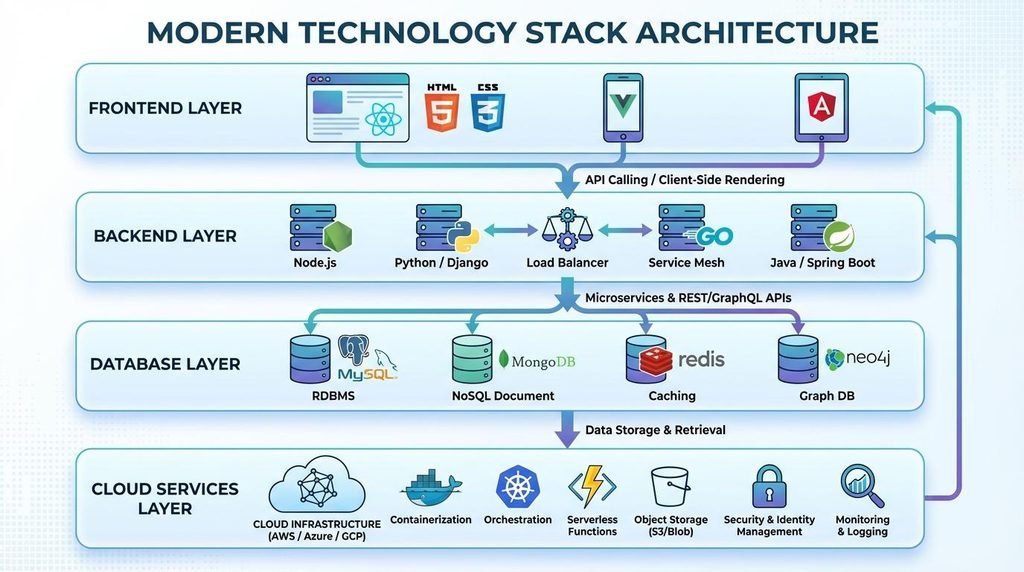
Technology selection should follow product requirements, not trends or a vendor’s preferred programming language.
| Technology layer | Common technologies | Typical use |
| Frontend | React, Angular, Vue.js | Web interfaces |
| Backend | Node.js, Python, .NET, Java, PHP | Business logic and APIs |
| Mobile | Flutter, React Native, Kotlin, Swift | iOS and Android applications |
| Databases | PostgreSQL, MySQL, MongoDB | Structured and document data |
| Cloud | AWS, Microsoft Azure, Google Cloud | Hosting and infrastructure |
| AI/ML | Python, ML frameworks, AI APIs | Intelligent application features |
| DevOps | Docker, Kubernetes, CI/CD | Deployment and operations |
| Testing | Automated and manual QA tools | Product quality |
How to Choose the Right Technology Stack
Evaluate these factors before finalizing architecture:
- Product requirements: What must the application actually do?
- Expected usage: How many users and transactions might it support?
- Integration requirements: Which external systems need to connect?
- Security: What data does the product collect and process?
- Team availability: Can qualified engineers maintain the stack?
- Operating costs: What will cloud hosting, licensing and monitoring cost?
- Future flexibility: Can the architecture evolve without a complete rewrite?
Explore our guide to the technology stack in software development for a more detailed comparison.
Product Development Cost: How Much Does It Cost to Build a Digital Product?
The cost of working with a product development company depends on the product’s complexity, engineering requirements, design scope, integrations, security needs and long-term support requirements.
There is no reliable universal price for building a digital product. Two applications with similar interfaces can have very different development costs because their backend architecture, workflows, data requirements and integrations may be completely different.
Key Factors That Affect Product Development Costs
| Cost factor | Why it affects the budget |
| Product complexity | More business logic requires additional engineering |
| UI/UX design | Research, prototyping and custom interfaces add effort |
| Technology stack | Specialized technologies may require specific expertise |
| Backend architecture | Data processing, APIs and integrations increase complexity |
| Third-party integrations | External services may involve implementation and subscription fees |
| Security requirements | Authentication, audits and security controls require additional work |
| Testing | Performance, compatibility and automated testing add effort |
| Cloud infrastructure | Hosting, storage, bandwidth and monitoring create recurring expenses |
| Maintenance | Updates, bug fixes and technical support continue after launch |
Understanding the Full Cost of Product Ownership
One of the biggest budgeting mistakes is treating the initial development quote as the total cost of the product.
A more realistic financial model includes:
Total Cost of Ownership (TCO)
Initial investment
Discovery + UX/UI design + architecture + engineering + QA + launch
Recurring operating expenses
Cloud hosting + third-party APIs + monitoring + maintenance + security updates
Future product investment
New features + integrations + infrastructure scaling + modernization
Total Cost of Ownership = Initial investment + Operating expenses + Future product investment
For example, a SaaS platform may require a relatively modest initial build but incur increasing cloud, support, payment processing and customer onboarding costs as adoption grows.
Hidden Costs Businesses Often Overlook
- Data migration from existing platforms.
- Third-party API usage and licensing.
- Cloud infrastructure expansion.
- Security reviews and penetration testing.
- App store fees and release management.
- Customer support and onboarding.
- Accessibility improvements.
- Legacy system integration.
- Technical debt reduction.
Expert insight: A lower initial development quote does not necessarily mean a lower-cost product. The relevant comparison is the cost of delivering, operating and improving the product over its expected lifetime.
For more detailed financial planning, see our guides to software development costs and MVP app development costs.
How to Reduce Product Development Costs Without Compromising Quality
- Validate the product concept before building the complete application.
- Separate essential features from future enhancements.
- Reuse established components and proven integrations where appropriate.
- Choose architecture according to actual requirements.
- Automate repetitive testing and deployment tasks.
- Prioritize security early rather than treating it as a final-stage activity.
- Monitor cloud and third-party service consumption.
- Review development progress against agreed milestones.
In-House Development vs Outsourcing vs Dedicated Development Teams
Choosing the right delivery model can influence project costs, control, technical ownership and time to market.
There is no single best model for every business.
| Factor | In-house team | Outsourced product development | Dedicated development team |
| Recruitment | Managed internally | Managed by provider | Managed by provider |
| Daily control | High | Depends on contract | High collaborative control |
| Initial hiring effort | High | Lower | Lower |
| Team flexibility | Depends on internal hiring | Scope-dependent | Can be adjusted by agreement |
| Product ownership | Company-owned | Contract-dependent | Contract-dependent |
| Management | Internal leadership | Vendor/project governance | Shared or client-led |
| Best suited for | Long-term internal engineering | Defined delivery requirements | Continuous product development |
When Should You Choose In-House Development?
In-house teams can be appropriate when:
- Engineering is a central competitive advantage.
- Product requirements change constantly.
- The organization already has technical leadership.
- Long-term internal knowledge retention is essential.
- The business has sufficient hiring and management capacity.
When Is Outsourcing Product Development Better?
Outsourcing can make sense when a business needs:
- Access to specialist engineering skills.
- Faster team formation.
- External product engineering expertise.
- Flexible project capacity.
- A development partner for an entire product lifecycle.
Companies comparing outsourcing destinations can explore our guide to software development outsourcing in India.
When Should You Hire a Dedicated Development Team?
A dedicated team is suitable when product development is continuous and the business needs engineers working as an extension of its internal organization.
A typical team may include:
- Product manager or business analyst.
- Technical lead or solution architect.
- Frontend developers.
- Backend developers.
- Mobile developers.
- UI/UX designers.
- QA engineers.
- DevOps engineers.
The exact composition depends on the product roadmap.
Read our comparison of dedicated teams vs staff augmentation before selecting an engagement model.
How to Choose the Right Product Development Company
Selecting a development partner is a business decision with long-term technical and financial consequences.
A vendor may have an impressive portfolio but still be unsuitable for your specific product.
Use the following evaluation framework before signing an agreement.
12-Point Product Development Company Evaluation Checklist
Vendor evaluation checklist
0/12 reviewed
Has experience with similar product categories
Can explain the proposed technical architecture
Provides a clear discovery and requirements process
Shows relevant working products or demonstrations
Identifies the actual engineers who will work on the project
Provides a transparent scope and delivery roadmap
Explains its quality assurance process
Has a defined security and data protection approach
Clarifies source code and intellectual property ownership
Provides access to repositories and project documentation
Defines post-launch support and maintenance
Offers clear communication, reporting and escalation procedures
Reset checklist
Questions to Ask Before Hiring a Product Development Company
1. Have you developed similar products before?
Ask for relevant demonstrations, project examples and references. Look beyond visual similarity and examine the underlying technical requirements.
2. Who will actually develop the product?
Meet the engineers and technical leads who will work on the project. A senior sales presentation does not establish the capabilities of the delivery team.
3. How will you manage changing requirements?
Understand how new features, scope changes, priorities and additional costs will be handled.
4. Who owns the source code and intellectual property?
The agreement should clearly establish ownership, assignment rights, licensing arrangements and access to the development repository.
5. What happens after launch?
Clarify support periods, service levels, maintenance responsibilities, incident handling and future enhancement arrangements.
6. How will progress be measured?
Ask for milestone definitions, sprint demonstrations, acceptance criteria and transparent reporting.
Red Flags When Selecting a Development Partner
Be cautious if a company:
- Guarantees a launch date without understanding requirements.
- Promises unrealistic development costs.
- Cannot demonstrate relevant engineering experience.
- Avoids explaining its architecture.
- Refuses to clarify source code ownership.
- Has no documented testing process.
- Cannot explain how production incidents are handled.
- Treats every requested feature as equally important.
Strategic recommendation: Before committing to a large development contract, consider a paid discovery engagement with clearly defined deliverables. It should produce a scope document, technical assumptions, architecture recommendations, risks, milestones and a budget estimate.
Product Security, Intellectual Property and Scalability
Technical quality is only one part of product readiness. Businesses must also understand who controls the software, how data is protected and whether the architecture can support future operations.
1. Security Should Begin During Product Design
Security should be integrated throughout the software development lifecycle.
The NIST Secure Software Development Framework (SSDF) provides guidance for integrating secure development practices into existing development processes. Its four practice groups cover organizational preparation, software protection, secure production and vulnerability response.
CSRC+1
Practical controls may include:
- Role-based access control.
- Secure authentication.
- Encryption in transit and at rest.
- Secure API design.
- Dependency vulnerability scanning.
- Code reviews.
- Backup and recovery procedures.
- Security logging and monitoring.
- Vulnerability remediation.
For web applications, the OWASP ASVS 5.0 provides structured requirements that can help define and verify application security controls.
OWASP Application Security Verification Standard+1
2. Intellectual Property and Source Code Ownership
A development contract should explicitly define:
| Area | What should be clarified |
| Source code | Who owns the custom-developed code? |
| Intellectual property | Who owns the product designs and deliverables? |
| Repository | Who controls GitHub, GitLab or other repositories? |
| Cloud accounts | Who controls hosting and infrastructure accounts? |
| Third-party software | Which components have separate licensing terms? |
| Documentation | What technical and operational documents are delivered? |
| Exit arrangements | How can another team take over the product? |
Businesses should avoid depending entirely on a vendor-controlled environment without an agreed access and transition arrangement.
3. Scalability Is More Than Supporting More Users
A scalable product must handle growing workloads without creating disproportionate operational complexity or cost.
Consider:
- Database performance.
- API response times.
- Background processing.
- Caching.
- Cloud resource allocation.
- Load balancing.
- Data retention.
- Monitoring and alerting.
- Disaster recovery.
A useful principle is to establish measurable performance expectations before choosing an expensive architecture.
4. How to Measure Product Development Success
Do not evaluate a development partner only by the number of features delivered.
Track engineering and business outcomes together.
| Measurement | What it tells you |
| Time to market | How quickly useful functionality reaches users |
| Feature adoption | Whether users actually use released features |
| User retention | Whether the product continues delivering value |
| Conversion rate | Whether users complete important actions |
| Application availability | Whether the service remains accessible |
| Defect rate | How many quality issues affect releases |
| Infrastructure cost per user | Whether operating economics improve with growth |
| Change failure rate | How frequently releases cause production problems |
The DORA research program provides useful software delivery performance measures, including deployment frequency, change lead time, change failure rate and recovery from failed deployments.
DORA’s software delivery performance metrics+1
Expert insight: A development team that releases features quickly but creates unstable production systems is not delivering sustainable product velocity.
Product Development Companies in India vs Other Countries
Businesses in the USA, UK, UAE, Canada, Australia and Europe often evaluate international development partners to access engineering talent and manage delivery budgets.
India is one option, particularly for organizations seeking offshore software development and flexible engineering capacity.
However, the best location depends on product complexity, communication needs, compliance, time zones, talent availability and total delivery cost.
| Location | Potential advantage | Considerations |
| India | Broad engineering talent and offshore delivery options | Vendor evaluation and time-zone coordination |
| USA | Local collaboration and proximity to US customers | Hiring costs and talent availability |
| UK | Local business and regulatory context | Budget and recruitment requirements |
| UAE | Regional proximity to Middle Eastern businesses | Specialized talent and operating costs |
| Canada | North American collaboration and technology ecosystem | Hiring costs and team availability |
| Australia | Local market understanding and communication | Geographic distance from other regions |
| Europe | Access to diverse engineering ecosystems | Country-specific costs and regulations |
These are broad market considerations, not rankings of national engineering quality.
Why International Companies Work With Indian Product Development Companies
Potential advantages include:
- Access to a broad software engineering talent pool.
- Flexible outsourcing and dedicated team models.
- Ability to scale project capacity through external partners.
- Experience with international software delivery.
- Opportunities to manage development budgets through location and staffing choices.
The real financial comparison should include communication overhead, management time, rework, vendor coordination and post-launch support—not simply developer hourly rates.
Working With a Product Development Company in Mumbai, India
Mumbai is an established commercial and technology services hub. Businesses in the USA, UK, UAE, Canada and Australia can consider Mumbai-based partners when looking for offshore engineering support.
When evaluating a company in Mumbai, examine:
- Technical experience relevant to your product.
- Availability of senior engineering resources.
- Communication and overlap with your working hours.
- Contractual IP and data protection arrangements.
- Delivery management and quality assurance.
- Long-term maintenance capabilities.
Businesses comparing local providers can also explore software development companies in Mumbai and software development companies in India.
Product Development Trends Businesses Should Prepare For in 2026 and Beyond
Software development is changing as AI, cloud platforms, automation and evolving customer expectations influence how digital products are designed and delivered.
Gartner’s July 2026 forecast projected worldwide software spending of approximately $1.468 trillion in 2026, representing 15.5% growth over 2025. This is a broad software spending forecast, not a measurement of the product development services market.
Deloitte’s 2026 software industry outlook also highlights the movement toward AI-first product experiences and engineering practices.
Deloitte Insights
1. AI-Native Product Development
AI is moving beyond isolated chatbot features into the core workflows of digital products.
Potential applications include:
- Intelligent search.
- Predictive recommendations.
- AI-assisted customer support.
- Document processing.
- Personalized user experiences.
- Automated business workflows.
The commercial question is not whether a product uses AI. It is whether AI improves a measurable outcome.
2. AI Agents and Workflow Automation
AI agents can support multi-step tasks by interacting with tools, data and business systems within defined permissions.
For example, a business application might use an AI agent to classify incoming customer requests, retrieve relevant records and prepare an action for human approval.
Such systems need clear authorization boundaries, auditability, failure handling and human oversight.
3. Cloud-Native and Modular Architecture
Cloud-native approaches can support deployment flexibility, scalability and resilience.
However, microservices and container orchestration should be selected based on actual operational requirements. They are not automatically better than simpler architectures.
4. Security-First Engineering
As software products become more connected, security must be treated as an ongoing engineering responsibility.
Expect increased attention to:
- Software supply chain security.
- Dependency management.
- Identity and access control.
- Data governance.
- Secure API integrations.
- Continuous vulnerability management.
5. Continuous Product Analytics
Product teams increasingly need visibility into how customers interact with software.
Useful measurements include:
- Feature adoption.
- Customer activation.
- User retention.
- Workflow completion.
- Conversion.
- Application performance.
- Customer feedback.
Business implication: The next competitive advantage may not come from launching more features. It may come from learning faster which features customers actually value.
Why Choose Innov8World as Your Product Development Partner?
Digital Product Development untuk Startup dan UMKM | Validasi Cepat | Soft Labs Tech
Innov8World is a software development and IT outsourcing company based in Mumbai, India, supporting startups, SMEs and businesses looking for custom digital solutions and engineering capacity.
Our published service portfolio covers multiple stages of software product development, from initial planning and design through engineering, testing, deployment and ongoing support.
Product Development Capabilities
Custom Software Development
Develop business applications, enterprise platforms, workflow solutions and software tailored to specific operational requirements.
Explore custom software development.
Web and SaaS Product Development
Build browser-based platforms, SaaS applications, dashboards, APIs and subscription-based products.
Explore SaaS product development.
Mobile Application Development
Develop mobile experiences for iOS and Android using suitable native or cross-platform technologies.
Explore mobile app development.
AI Product Development
Integrate artificial intelligence, machine learning and automation into applications where they provide practical business value.
Dedicated Development Teams
Extend your internal engineering capabilities through dedicated developers and flexible development team arrangements.
Our Approach to Product Development
- Understand: Identify the business problem, users and product objectives.
- Plan: Define the scope, requirements, priorities and technical direction.
- Design: Develop user journeys, wireframes and interface concepts.
- Build: Implement the product through iterative engineering.
- Validate: Test functionality, quality and security requirements.
- Launch: Prepare production deployment and release.
- Improve: Support maintenance and future product enhancements.
Who Can Work With Innov8World?
- Startup founders developing their first digital product.
- SMEs looking to automate business operations.
- SaaS companies building subscription platforms.
- Enterprises modernizing legacy applications.
- Businesses looking for dedicated software engineers.
- International companies exploring offshore software development in India.
Our engagement approach can be discussed according to the product scope, required expertise and delivery model.
Ready to Build Your Next Digital Product?
A successful digital product requires more than development capacity. It needs the right strategy, technical architecture, engineering execution and a plan for continuous improvement.
Whether you are validating an MVP, developing a SaaS platform, building a custom enterprise application or extending an existing engineering team, choosing the right product development company can help you make better technical and commercial decisions.
Let’s discuss what you want to build.
Contact Innov8World to discuss your product requirements, development roadmap and suitable engagement model.
- Website: Innov8World
- Email: business@innov8world.com
- Phone: +91 91378 34925
- Location: Mumbai, Maharashtra, India
Discuss Your Product Development Requirements
Tell us about your product idea, existing application or engineering requirements.
Frequently Asked Questions About Product Development Companies
1. What does a product development company do?
A product development company helps businesses transform ideas into functional digital products. Its services can include product discovery, UI/UX design, software architecture, development, testing, deployment and ongoing maintenance. Depending on the engagement, it may also support product strategy, technical consulting and long-term engineering improvements.
2. How much does it cost to hire a product development company?
The cost depends on product complexity, technology requirements, team composition, integrations, security and delivery timelines. An MVP generally requires less investment than a complex enterprise platform. Businesses should also budget for cloud infrastructure, third-party services, maintenance and future enhancements.
3. How long does it take to develop a software product?
A simple proof of concept may take several weeks, while an MVP can take approximately 6–16 weeks. Mid-complexity SaaS products may require several months, and enterprise platforms can take a year or longer. Actual timelines depend on scope, integrations, testing and approval cycles.
4. What is the difference between a product development company and a software development company?
A product development company typically focuses on the broader product lifecycle, including discovery, strategy, design, engineering and continuous improvement. A software development company may focus primarily on implementing defined software requirements. However, many software development companies provide complete product development services.
5. Why should startups hire a product development company?
Startups can access experienced designers, developers, QA engineers and technical specialists without immediately recruiting an entire internal engineering department. A suitable partner can help validate an idea, build an MVP, reduce technical uncertainty and prepare the product for future development.
6. How do I choose the best product development company?
Evaluate relevant experience, technical expertise, development methodology, project transparency, security practices, source code ownership, communication and post-launch support. Request relevant product demonstrations and speak with the actual delivery team before signing a contract.
7. Can I outsource product development to India from the USA, UK or UAE?
Yes. Businesses in the USA, UK, UAE and other international markets can work with India-based product development companies through outsourced projects or dedicated development teams. Clear communication, contractual ownership, security requirements and overlapping working hours are important for successful collaboration.
8. What is the difference between MVP development and full product development?
MVP development focuses on delivering the smallest useful version of a product to validate its core value proposition with real users. Full product development expands functionality, improves performance, strengthens security and supports broader business requirements as the product matures.